

Chas de Whalley (born Charles Stephen de Whalley: 29 June 1953) is an English music journalist and media researcher who wrote earliest reviews and features on New Wave rock acts such as The Stranglers, The Jam and Elvis Costello, and produced internationally renowned Irish band U2's first two singles ‘U2 -Three’ and ‘Another Day’ for CBS Ireland.
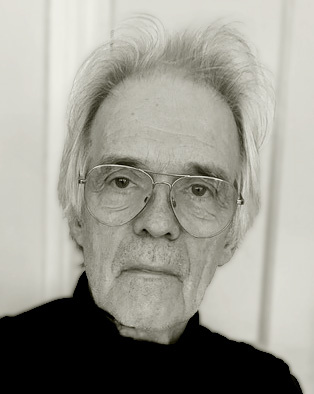
Background
de Whalley was born in Cambridge and spent his childhood in Croydon, Surrey before attending Leighton Park School, Reading. He read English Literature at Queens’ College, Cambridge where he played a prominent part in a student rock scene which included producer Robin Millar MBE, guitarist songwriters Kimberley Rew and Pete Glenister, film composer Simon Boswell and cult singer/songwriter Robin Hitchcock.
Career 1975-78
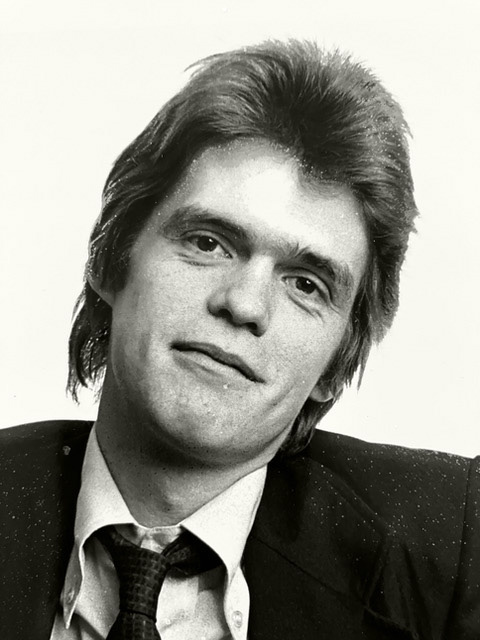
In 1975, he began writing for music weeklies New Musical Express (NME) and then Sounds. Under editor Alan Lewis he was a member of Sounds’ taste-making team of writers (including Vivien Goldman, Jon Savage, Giovanni Dadomo, Jane Suck and Pete Silverton). Focusing on London’s pub rock and early punk rock movements, de Whalley penned first reviews
and features on Graham Parker and the Rumour, Eddie & The Hot Rods, The Stranglers, The Jam, XTC, Nick Lowe and Elvis Costello - as well as the pioneering independent label Stiff Records. He also claims to have coined the term Power Pop. A selection of his articles for the NME and Sounds can be found on the Rock's Backpages website.
Between 1975 and 1977 he also fronted pub rock band Dust On The Needle which included guitarist and songwriter Pete Glenister, bass player Charlie Barrett (later of The Fixx and subsequently owner of top London rehearsal facility Terminal Studios) and semi-legendary SW London country blues guitarist John Evans.
In March 1978 de Whalley joined major label CBS Records (now Sony Music) UK as a talent scout reporting to A&R Director Muff Winwood, Managing Director David Betteridge and Chairman Maurice Oberstein. Subsequently promoted to Head of CBS’ subsidiary imprint Epic Records he was responsible for a roster of artists including punk poet John Cooper Clarke, Shakin’ Stevens, The Starjets, Reggae Regular, The Hitmen and Christian rock band After The Fire with whose lead singer Andy Piercy he co-wrote the classic modern Xmas carol Love Shone Down.
U2
In June 1979, de Whalley was invited by manager Paul McGuiness to see U2 play at Dublin’s McGonagles night club and subsequently produced the U2 - Three tracks ‘Out Of Control’, ‘Stories For Boys’ and ‘Boy/Girl’ primarily for local release by CBS Ireland but also so that the London company could assess whether the band merited an international album contract.
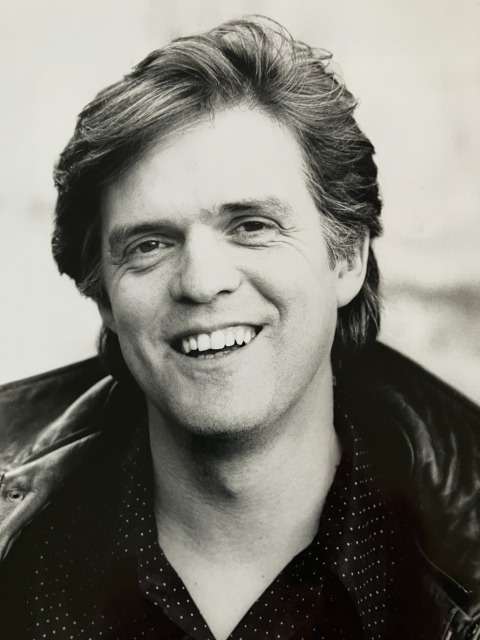
Despite topping the Irish singles chart on its release in September 1979, CBS London were unimpressed. But de Whalley stayed in regular contact and took the band back into the studio at the end of their first visit to the UK in December 1979 to record a second CBS Ireland single Another Day. Once again CBS London passed and the band signed with Island Records six months later.
1980-92
de Whalley resigned from CBS in 1980 to return to journalism, freelancing for Record Mirror, Kerrang!, Guitar Heroes and International Musician And Recording World – for which he created a 10 year series of monthly interviews with over 100 leading record producers including George Martin, Gus Dudgeon, Tom Dowd, Martin Rushent and Steve Lillywhite – while building and running a fully equipped songwriters’ demo studio Latchmere Sound in Battersea.
In 1983 de Whalley joined major music publisher Chappell and Intersong Music Group, and successfully pitched songs to Tina Turner and Paul Young (including Young’s US chart topping cover version of Daryl Hall’s Every Time You Go Away). Promoted to Senior Creative Manager he signed They Might Be Giants, New Model Army and cowpunk band The Men They Couldn’t Hang.
Made redundant after Chappell-Intersong was purchased by Warner Music in 1989, de Whalley spent three years working as London representative for Danish independent label It’s Magic - owned by world-renowned Elvis Presley historian Ernst Jorgensen - in order to secure UK and US deals for top Copenhagen acts like Miss B Haven, Janes Rejoice and New Wave rock band The Poets.
1992-present day
In 1992 de Whalley returned to journalism first with Vox magazine - commissioned by editor Alan Lewis to write a series of in-depth features on the mechanics of the music industry - and then trade paper Music Week (MW) as a Features writer and subsequently Editor of MW’s monthly music publishing newsletter Songplugger. After a brief period with the British Library National Sound Archive as Outreach Officer, he returned to MW in 1997 as Head Of Information Services responsible for the print publication of the Official Charts Company’s weekly Top 40 Album and Singles charts as well as a range of sector-specific newsletters and data products such as Music Business International (MBI), Promo, MIRO Future Hits, Tours Report, Fono, and Green Sheet.
Made redundant after the dot com bubble burst of 2001, de Whalley authored independent reports and surveys for a range of trade bodies including the British Phonographic Industry (BPI) and the Welsh Development Agency while writing extensively on the business of live concert promotion for Audience Media. He also initiated Music To Watch TV Ads By, a monthly guide to the burgeoning Synchronization Rights (aka Syncs) sector published by Record Collector, which he further developed into a comprehensive on-line B2B information service adbreakanthems.com, before ill-health led to retirement and a move to Stroud, Gloucestershire in 2014, where he joined the panel of judges for the annual Stroud Song Contest.
Chas de Whalley (born Charles Stephen de Whalley: 29 June 1953) is an English music journalist and media researcher who wrote earliest reviews and features on New Wave rock acts such as The Stranglers, The Jam and Elvis Costello, and produced internationally renowned Irish band U2's first two singles ‘U2 -Three’ and ‘Another Day’ for CBS Ireland.
Background
de Whalley was born in Cambridge and spent his childhood in Croydon, Surrey before attending Leighton Park School, Reading. He read English Literature at Queens’ College, Cambridge where he played a prominent part in a student rock scene which included producer Robin Millar MBE, guitarist songwriters Kimberley Rew and Pete Glenister, film composer Simon Boswell and cult singer/songwriter Robin Hitchcock.
Career 1975-78
In 1975, he began writing for music weeklies New Musical Express (NME) and then Sounds. Under editor Alan Lewis he was a member of Sounds’ taste-making team of writers (including Vivien Goldman, Jon Savage, Giovanni Dadomo, Jane Suck and Pete Silverton). Focusing on London’s pub rock and early punk rock movements, de Whalley penned first reviews and features on Graham Parker and the Rumour, Eddie & The Hot Rods, The Stranglers, The Jam, XTC, Nick Lowe and Elvis Costello - as well as the pioneering independent label Stiff Records. He also claims to have coined the term Power Pop. A selection of his articles for the NME and Sounds can be found on the Rock's Backpages website.
Between 1975 and 1977 he also fronted pub rock band Dust On The Needle which included guitarist and songwriter Pete Glenister, bass player Charlie Barrett (later of The Fixx and subsequently owner of top London rehearsal facility Terminal Studios) and semi-legendary SW London country blues guitarist John Evans.
In March 1978 de Whalley joined major label CBS Records (now Sony Music) UK as a talent scout reporting to A&R Director Muff Winwood, Managing Director David Betteridge and Chairman Maurice Oberstein. Subsequently promoted to Head of CBS’ subsidiary imprint Epic Records he was responsible for a roster of artists including punk poet John Cooper Clarke, Shakin’ Stevens, The Starjets, Reggae Regular, The Hitmen and Christian rock band After The Fire with whose lead singer Andy Piercy he co-wrote the classic modern Xmas carol Love Shone Down.
U2
In June 1979, de Whalley was invited by manager Paul McGuiness to see U2 play at Dublin’s McGonagles night club and subsequently produced the U2 - Three tracks ‘Out Of Control’, ‘Stories For Boys’ and ‘Boy/Girl’ primarily for local release by CBS Ireland but also so that the London company could assess whether the band merited an international album contract.
Despite topping the Irish singles chart on its release in September 1979, CBS London were unimpressed. But de Whalley stayed in regular contact and took the band back into the studio at the end of their first visit to the UK in December 1979 to record a second CBS Ireland single Another Day. Once again CBS London passed and the band signed with Island Records six months later.
1980-92
de Whalley resigned from CBS in 1980 to return to journalism, freelancing for Record Mirror, Kerrang!, Guitar Heroes and International Musician And Recording World – for which he created a 10 year series of monthly interviews with over 100 leading record producers including George Martin, Gus Dudgeon, Tom Dowd, Martin Rushent and Steve Lillywhite – while building and running a fully equipped songwriters’ demo studio Latchmere Sound in Battersea.
In 1983 de Whalley joined major music publisher Chappell and Intersong Music Group, and successfully pitched songs to Tina Turner and Paul Young (including Young’s US chart topping cover version of Daryl Hall’s Every Time You Go Away). Promoted to Senior Creative Manager he signed They Might Be Giants, New Model Army and cowpunk band The Men They Couldn’t Hang.
Made redundant after Chappell-Intersong was purchased by Warner Music in 1989, de Whalley spent three years working as London representative for Danish independent label It’s Magic - owned by world-renowned Elvis Presley historian Ernst Jorgensen - in order to secure UK and US deals for top Copenhagen acts like Miss B Haven, Janes Rejoice and New Wave rock band The Poets.
1992-present day
In 1992 de Whalley returned to journalism first with Vox magazine - commissioned by editor Alan Lewis to write a series of in-depth features on the mechanics of the music industry - and then trade paper Music Week (MW) as a Features writer and subsequently Editor of MW’s monthly music publishing newsletter Songplugger. After a brief period with the British Library National Sound Archive as Outreach Officer, he returned to MW in 1997 as Head Of Information Services responsible for the print publication of the Official Charts Company’s weekly Top 40 Album and Singles charts as well as a range of sector-specific newsletters and data products such as Music Business International (MBI), Promo, MIRO Future Hits, Tours Report, Fono, and Green Sheet.
Made redundant after the dot com bubble burst of 2001, de Whalley authored independent reports and surveys for a range of trade bodies including the British Phonographic Industry (BPI) and the Welsh Development Agency while writing extensively on the business of live concert promotion for Audience Media. He also initiated Music To Watch TV Ads By, a monthly guide to the burgeoning Synchronization Rights (aka Syncs) sector published by Record Collector, which he further developed into a comprehensive on-line B2B information service adbreakanthems.com, before ill-health led to retirement and a move to Stroud, Gloucestershire in 2014, where he joined the panel of judges for the annual Stroud Song Contest.
